

Patient Learning Center

Medical Conditions

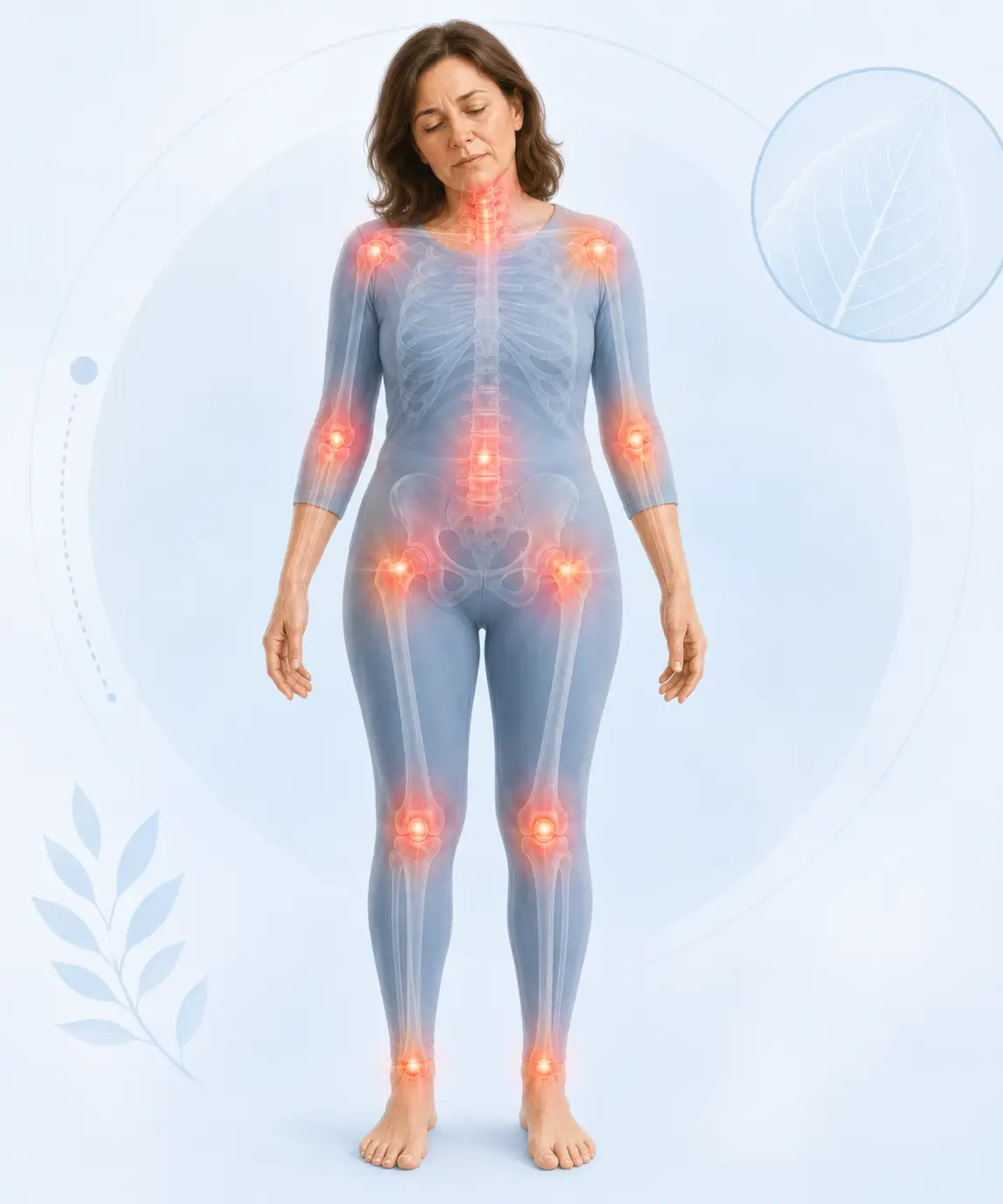
Learn about common rheumatology conditions, including arthritis, joint pain, autoimmune disorders, inflammation, and long-term musculoskeletal concerns. This page is for general education and can help patients prepare better questions for their visit.

Condition Overviews

Symptoms to Discuss

Diagnosis & Care Basics

Patient learning center for rheumatology medical conditions

In-Depth Condition Information

Understanding Common Rheumatology Conditions

Rheumatology conditions can affect the joints, muscles, bones, skin, and immune system. Use the condition selector below to move directly to the topic you want to learn about.

Medical note:

This information is for patient education only and does not replace a medical evaluation. Symptoms can overlap between conditions, so diagnosis and treatment should always be guided by a qualified healthcare professional.

Doctor reviewing joint health with a patient
Patient education sourceNIAMS / NIH

Autoimmune inflammatory arthritis

Rheumatoid Arthritis

What it is

Rheumatoid arthritis is a chronic autoimmune disease where the immune system attacks the body’s own tissues, most often the joints. It can cause inflammation inside the joint lining and may lead to pain, swelling, stiffness, and loss of joint function over time.

Common symptoms

  • Joint pain, swelling, warmth, and tenderness
  • Morning stiffness that may last for a long period of time
  • Fatigue, low energy, or general feeling of illness
  • Symptoms that often affect the same joints on both sides of the body

Diagnosis

Diagnosis usually includes a detailed medical history, physical examination, blood tests for inflammation or autoantibodies, and imaging such as X-rays or ultrasound to evaluate joint changes.

Treatment approach

Treatment often focuses on controlling inflammation, reducing pain, protecting joints, and slowing disease progression. Care may include disease-modifying antirheumatic drugs, anti-inflammatory medicines, physical therapy, routine monitoring, and lifestyle guidance.

Back to condition selection↑
Medical professional discussing joint pain with a patient
Patient education sourceNIAMS / NIH

Degenerative joint disease

Osteoarthritis

What it is

Osteoarthritis is the most common form of arthritis. It affects the entire joint, including cartilage, bone, ligaments, and surrounding tissues. It commonly develops in the hands, knees, hips, and spine and may become more noticeable with age, previous injury, or repeated joint stress.

Common symptoms

  • Pain during or after joint movement
  • Stiffness after rest or in the morning
  • Swelling around the affected joint
  • Reduced flexibility or difficulty moving the joint normally

Diagnosis

Diagnosis is usually based on symptoms, physical examination, medical history, and imaging when needed. A clinician may check range of motion, tenderness, swelling, and how the joint functions during movement.

Treatment approach

Treatment often begins with exercise, strengthening, weight management when appropriate, physical therapy, pain relief strategies, and joint protection. Some patients may need injections, assistive devices, or surgical evaluation depending on severity.

Back to condition selection↑
Patient speaking with a healthcare provider
Patient education sourceNIAMS / NIH

Systemic autoimmune disease

Lupus

What it is

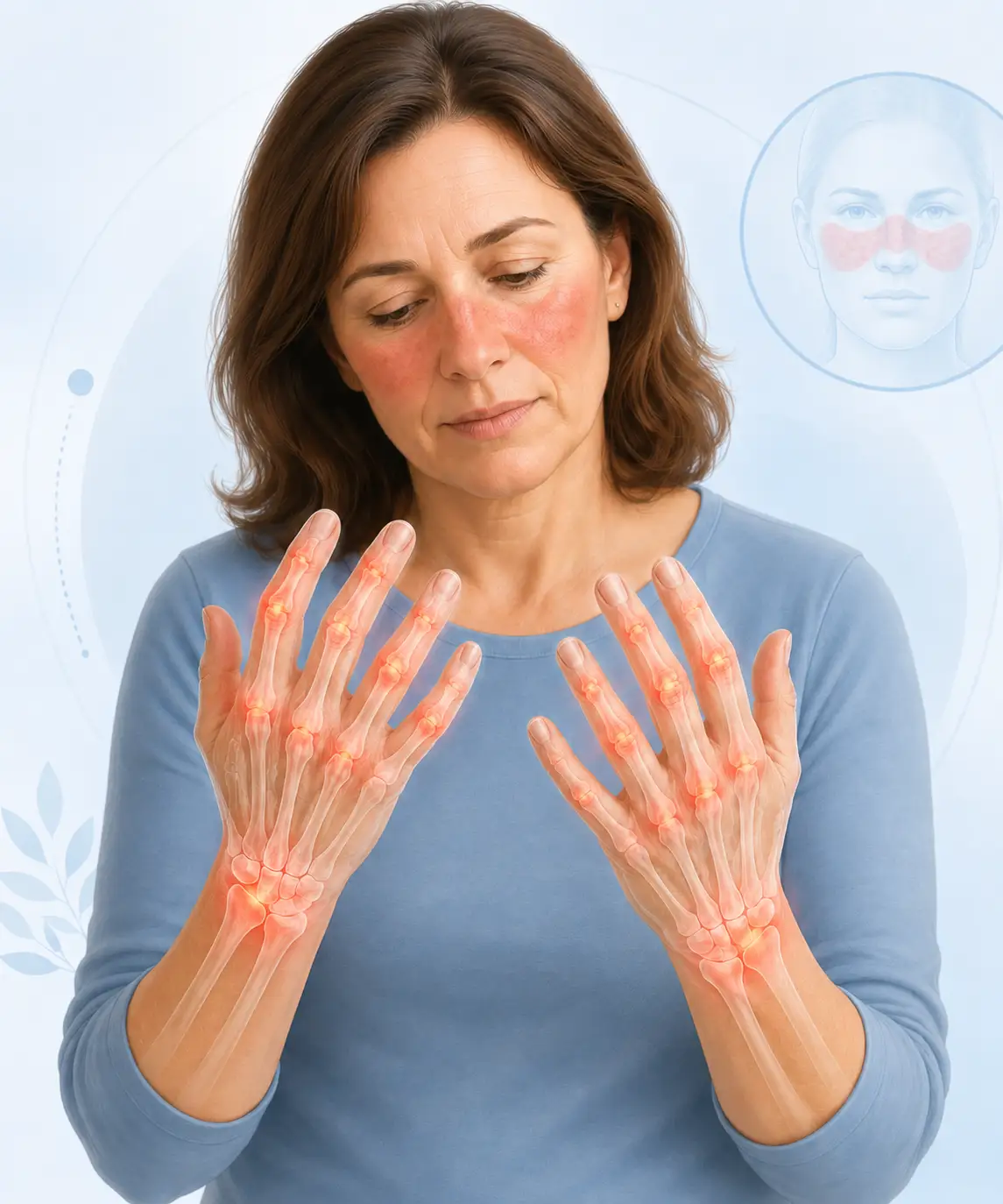
Lupus is an autoimmune disease that can cause inflammation in different areas of the body, including the joints, skin, kidneys, blood, heart, lungs, and nervous system. Symptoms may come and go, with periods of flares and remission.

Common symptoms

  • Joint pain, swelling, and morning stiffness
  • Fatigue, fever, or general weakness
  • Skin rashes, including sun-sensitive rashes
  • Mouth sores, hair loss, chest discomfort, or organ-related symptoms

Diagnosis

Diagnosis can be complex because lupus symptoms can look like many other conditions. Evaluation may include medical history, physical exam, blood and urine testing, autoimmune markers, and monitoring for organ involvement.

Treatment approach

Treatment is individualized based on symptoms and organs involved. The goal is to reduce flares, control inflammation, prevent organ damage, and improve quality of life. Medications may include anti-inflammatory drugs, antimalarials, corticosteroids, immunosuppressive medicines, or biologic therapies.

Back to condition selection↑
Doctor reviewing lab results and treatment plan
Patient education sourceNIAMS / NIH

Crystal-related inflammatory arthritis

Gout

What it is

Gout is a type of inflammatory arthritis caused by a buildup of urate crystals in and around the joints. Flares often happen suddenly and may cause intense pain, swelling, redness, and warmth. The big toe is commonly affected, but gout can involve other joints as well.

Common symptoms

  • Sudden episodes of severe joint pain
  • Swelling, redness, warmth, and tenderness
  • Flares that may last days to weeks
  • Recurring attacks if uric acid levels remain elevated

Diagnosis

Diagnosis may include reviewing symptoms, checking uric acid levels, examining the affected joint, and sometimes testing joint fluid for urate crystals. Imaging may also be used when the diagnosis is unclear.

Treatment approach

Treatment usually includes medicines to reduce pain and inflammation during a flare, along with long-term strategies to lower uric acid when appropriate. Lifestyle changes, hydration, medication review, and prevention planning may also be part of care.

Back to condition selection↑
Rheumatology provider reviewing symptoms with a patient
Patient education sourceNIAMS / NIH

Inflammatory arthritis linked with psoriasis

Psoriatic Arthritis

What it is

Psoriatic arthritis is a progressive inflammatory condition that can affect the joints and the areas where tendons and ligaments attach to bone. It often occurs in people with psoriasis, though joint symptoms can sometimes appear before skin symptoms.

Common symptoms

  • Joint pain, swelling, and stiffness
  • Pain where tendons or ligaments attach to bone
  • Swollen fingers or toes
  • Skin plaques, nail changes, or psoriasis history

Diagnosis

Diagnosis may involve a review of joint symptoms, skin and nail findings, personal or family history of psoriasis, physical examination, blood tests, and imaging to look for joint or tendon involvement.

Treatment approach

Treatment focuses on reducing inflammation, protecting joints, managing skin and nail symptoms, and improving function. Options may include anti-inflammatory medicines, corticosteroid injections, disease-modifying medicines, biologic therapies, and exercise or physical therapy.

Back to condition selection↑
Patient receiving guidance for back and spine symptoms
Patient education sourceNIAMS / NIH

Inflammatory arthritis of the spine

Ankylosing Spondylitis

What it is

Ankylosing spondylitis is a type of arthritis that primarily affects the spine and sacroiliac joints. It can cause chronic back pain, stiffness, and inflammation. Over time, some patients may develop reduced spinal flexibility or posture changes.

Common symptoms

  • Long-term lower back or buttock pain
  • Morning stiffness that improves with movement
  • Pain that may wake a person during the night
  • Reduced flexibility in the back, hips, or chest wall

Diagnosis

Diagnosis may include symptom history, physical examination, imaging of the spine or sacroiliac joints, blood tests for inflammation, and sometimes HLA-B27 testing when clinically appropriate.

Treatment approach

Treatment usually combines regular exercise, posture and mobility work, physical therapy, anti-inflammatory medications, and advanced therapies when inflammation remains active. Smoking cessation and long-term monitoring may also be important.

Back to condition selection↑
Healthcare provider discussing chronic pain symptoms
Patient education sourceNIAMS / NIH

Chronic widespread pain condition

Fibromyalgia

What it is

Fibromyalgia is a chronic disorder that causes widespread pain and tenderness throughout the body. It can also affect sleep, energy, mood, memory, and daily function. It is not the same as inflammatory arthritis, but rheumatology evaluation may help clarify symptoms.

Common symptoms

  • Widespread muscle and body pain
  • Fatigue and poor sleep
  • Tenderness, stiffness, or sensitivity
  • Brain fog, headaches, anxiety, or mood changes

Diagnosis

Diagnosis is usually based on symptom patterns, duration of widespread pain, physical examination, and ruling out other conditions that can cause similar symptoms. Lab tests may be used to evaluate other possible causes.

Treatment approach

Treatment often uses a team-based approach. Regular low-impact exercise, sleep improvement, stress management, education, behavioral therapy, and certain medications may help reduce symptoms and improve daily function.

Back to condition selection↑
Doctor speaking with patient about autoimmune symptoms
Patient education sourceNIAMS / NIH

Autoimmune dryness and systemic disease

Sjögren’s Disease

What it is

Sjögren’s disease is an autoimmune disorder that affects the glands that make moisture, most commonly causing dry eyes and dry mouth. It can also involve fatigue, joint pain, skin, nerves, lungs, kidneys, and other body systems.

Common symptoms

  • Dry eyes, dry mouth, or dental problems related to dryness
  • Fatigue and joint pain
  • Dry skin, dry nasal passages, or chronic cough
  • Swollen glands, rashes, numbness, tingling, or muscle aches

Diagnosis

Diagnosis may include symptom review, eye and mouth dryness testing, blood tests for autoimmune markers, dental or eye evaluation, and sometimes salivary gland testing or biopsy.

Treatment approach

Treatment focuses on relieving dryness, preventing complications, and managing systemic symptoms when present. Care may include artificial tears, saliva support, dental prevention, medications for dryness, and immune-directed treatment for more serious organ involvement.

Back to condition selection↑